WhatsApp Business API Application Guide
1. What is WhatsApp Business API?
WhatsApp Business API is the official communication interface for medium and large enterprises, provided by Meta Platforms, to support:
- Large-scale messaging (non-manual single-point operations)
- Automated customer service (Bot/Workflow)
- System-level integration (CRM / CDP / ticketing system)
- Multi-channel unified message management
Unlike the App version, the API mode does not provide a UI, but drives the messaging system through interfaces.
2. Core Capability Architecture
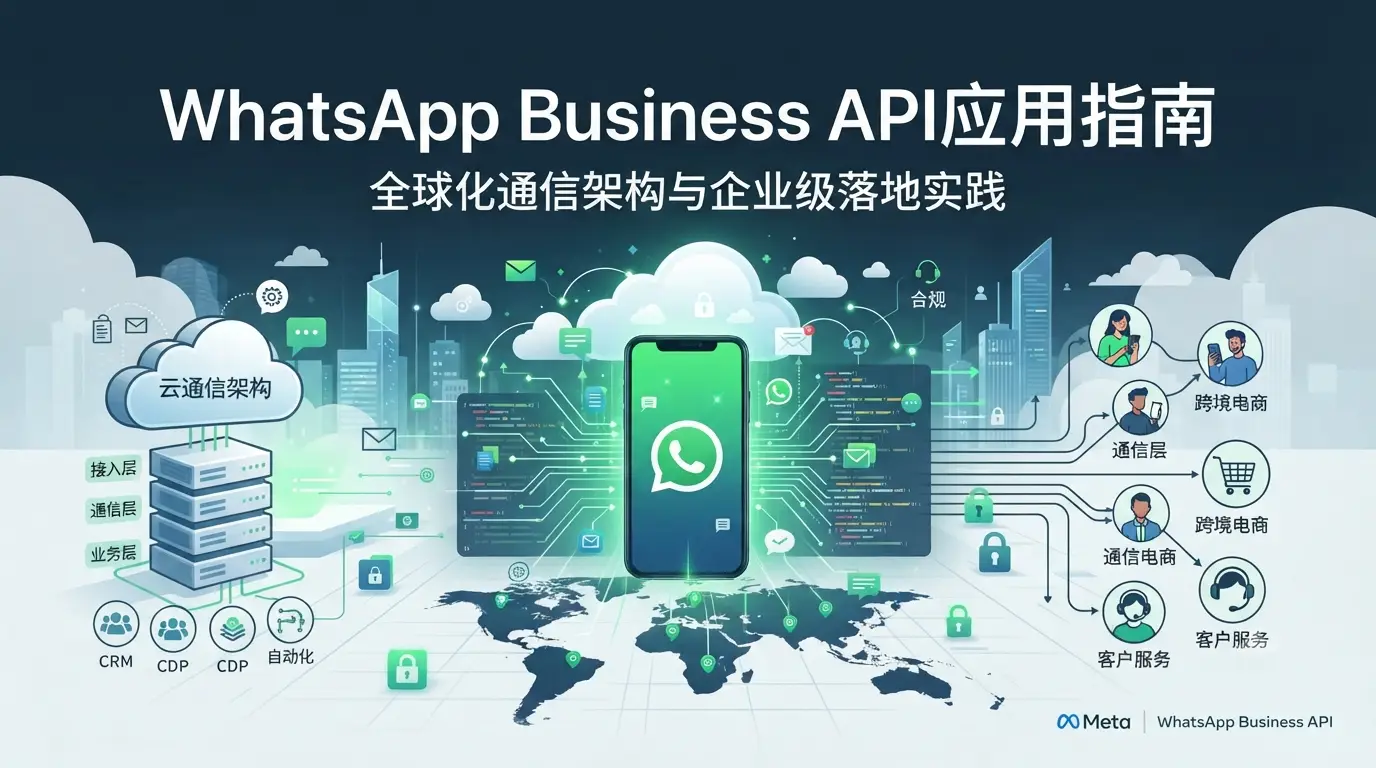
From a cloud communication system design perspective, WhatsApp Business API is typically divided into a three-layer architecture:
1. Access Layer
- Business Profile configuration
- Phone number binding and verification
- BSP (Business Solution Provider) access
2. Messaging Layer
- Session Messages
- Template Messages
- Multimedia Messages (Images / Files / Videos)
3. Business Layer
- User tag system
- Session routing
- Automated engagement strategies
- Customer lifecycle management
3. Messaging Mechanism & Restrictions
WhatsApp's messaging mechanism is relatively strict, with core rules including:
1. 24-hour Session Window
After the user initiates contact, the enterprise can freely reply with non-template messages within 24 hours.
2. Template Message Approval Mechanism
- All marketing/notification messages require prior approval
- Template content must comply with compliance policies
- Misleading or sensitive content is not allowed
3. Billing by Conversation
The billing model is typically divided by "conversation type + country/region":
- Marketing
- Utility
- Authentication
- Service
4. Typical Application Scenarios
1. Cross-border E-commerce
- Order confirmation notifications
- Logistics status updates
- Abandoned cart recovery
2. Finance & Payment
- OTP verification codes
- Risk transaction alerts
- Account security notifications
3. SaaS & Internet Products
- User registration verification
- Product usage guidance
- Renewal reminders
4. Customer Service System
- Automated customer service bots
- Ticket distribution
- Multi-language support
5. System Integration Solution (Enterprise Practice)
In cloud communication architecture, WhatsApp Business API typically does not exist alone, but is integrated as an "engagement channel" into a unified messaging platform:
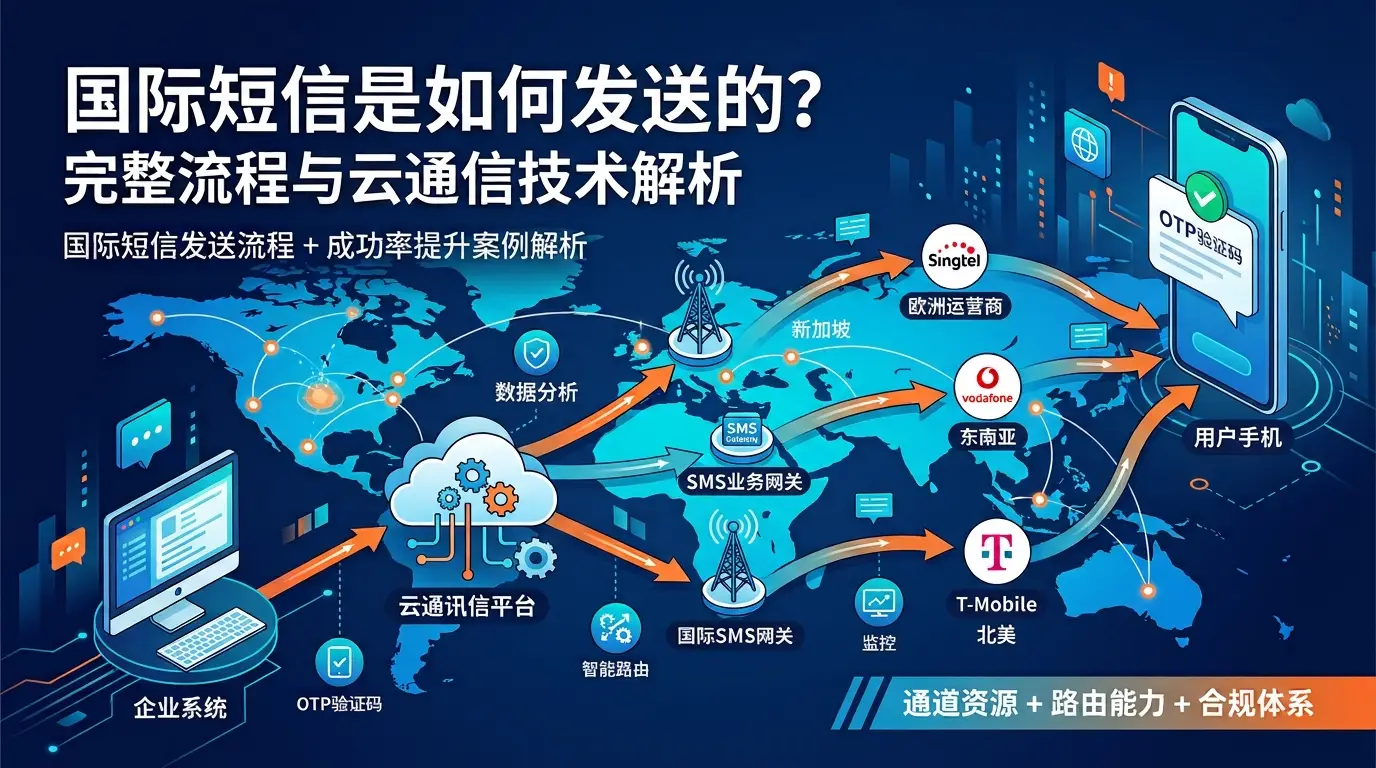
Standard integration path: User System → Message Gateway → Channel Adapter Layer → WhatsApp API → User Terminal
Key design points:
- Unified messaging middleware: Integrating SMS, email, WhatsApp and other channels
- Routing strategy engine: Selecting channels based on country/cost/delivery rate
- Failure retry mechanism: Message downgrade (WhatsApp → SMS)
- Webhook callback system: Real-time status synchronization (sent/delivered/read)
6. Key Strategies for Improving Delivery Rate
In actual business, WhatsApp message success rate highly depends on operational strategies:
1. Number Quality Management
- Clean invalid numbers
- Avoid high-risk number segments
2. Template Optimization
- Control character length
- Increase personalized field ratio
- Reduce marketing perception
3. Sending Rhythm Control
- Avoid high-frequency sending in short periods
- Batch sending by time zone
4. User Interaction Optimization
- Guide users to actively reply
- Improve 24-hour session utilization
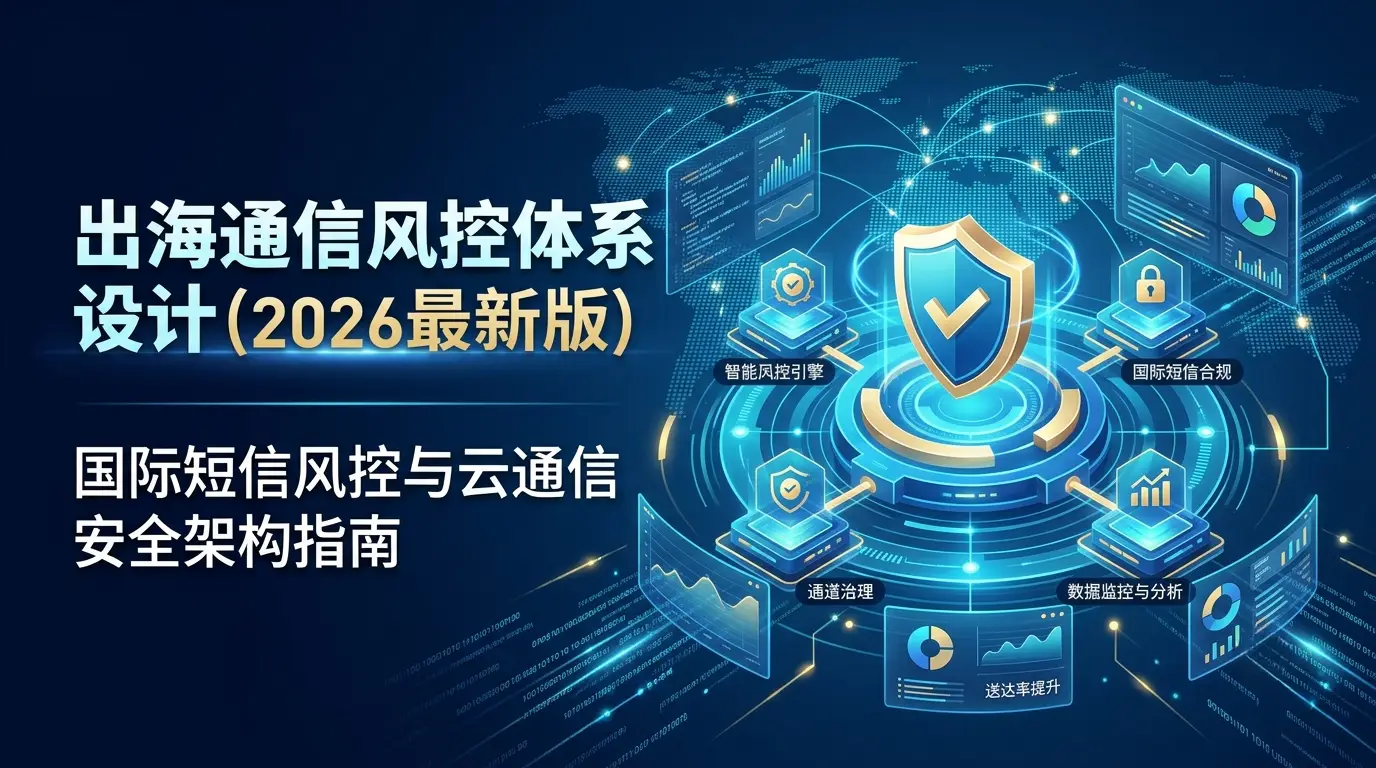
7. Compliance & Risk Control System
The WhatsApp ecosystem has extremely high compliance requirements, and enterprises should focus on:
- GDPR / Data privacy compliance
- User authorization mechanism (Opt-in)
- Blacklist and unsubscribe mechanisms
- Content sensitive word filtering system
- Sending frequency control and anomaly detection
8. Enterprise Implementation Suggestions
For enterprises building global communication capabilities, it is recommended to adopt a phased strategy:
Phase 1: Basic Access
- Complete WhatsApp Business API activation
- Establish basic notification capabilities
Phase 2: Systematic Integration
- Integrate CRM/CDP systems
- Establish template management system
Phase 3: Intelligent Operations
- User segmentation engagement
- Automated marketing workflows
- Multi-channel collaborative strategies