Cloud Communication Future Trends Analysis: 2026 Cloud Communication Industry Development Direction & Technology Evolution
I. Cloud Communication Industry is Entering Structural Upgrade Stage
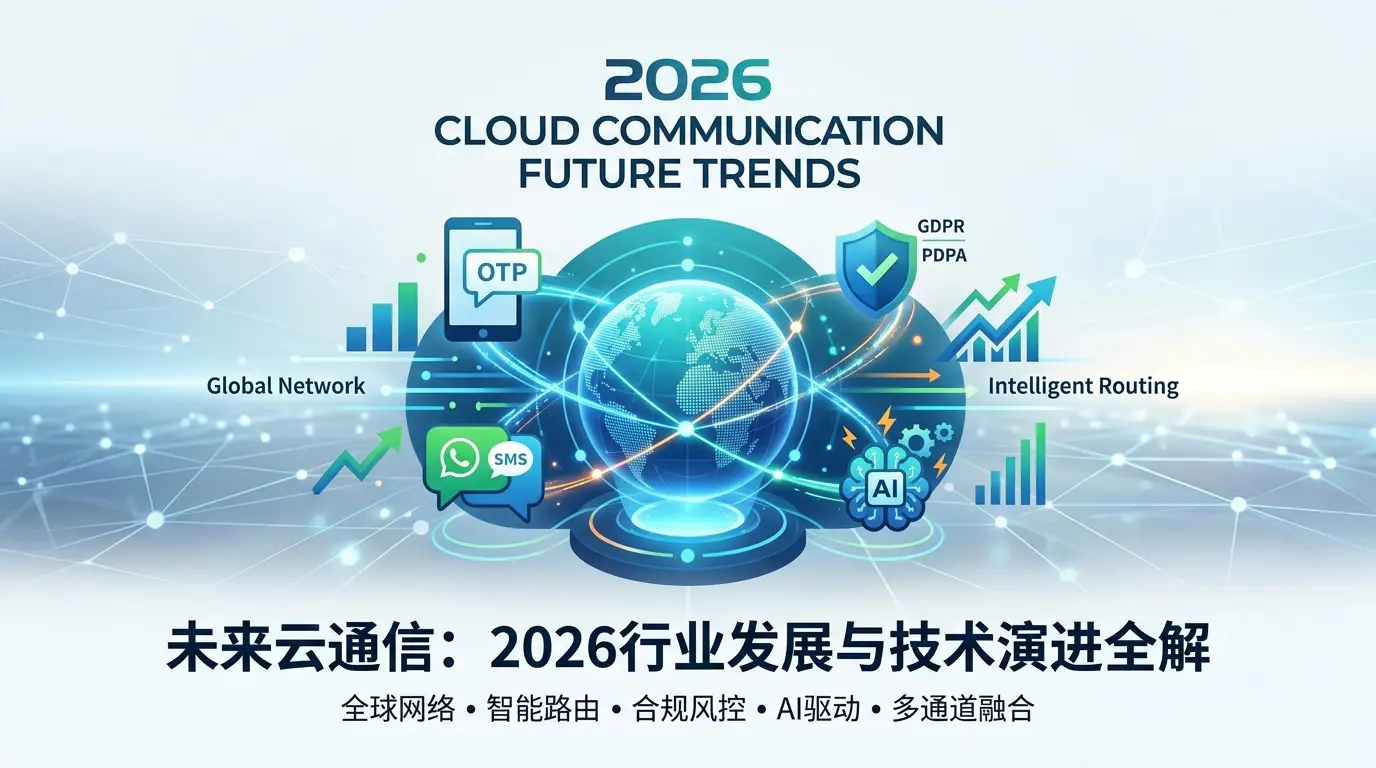
As global digital business expansion accelerates, cloud communication industry trends are evolving from basic communication capabilities to intelligent, global, and platform-based.
For overseas enterprises, cross-border e-commerce, fintech and social platforms, cloud communication is no longer just a "SMS sending tool", but core infrastructure supporting user growth, verification system and risk control system.
II. Five Core Trends of Cloud Communication Future
1. Global Cloud Communication Infrastructure Integration (Global Communication Network)
Future cloud communication platforms will show a "global coverage + local compliance" dual-track parallel trend.
International mainstream cloud communication platforms like Twilio and Sinch are continuously expanding global carrier direct connection network capabilities to improve international SMS delivery rate and stability.
At the same time, cloud service providers like Tencent Cloud and Alibaba Cloud are accelerating localized deployment to meet communication compliance requirements of different countries.
2. Smart Routing System Becomes Core Capability of Cloud Communication (SMS Success Rate Optimization)
The core competitiveness of future cloud communication platforms will come from smart routing and dynamic scheduling capabilities.
Systems will automatically select optimal channels based on real-time data (success rate, latency, failure codes), achieving:
- Optimal path selection for verification code SMS
- Automatic carrier switching for cross-border SMS
- Automatic degradation and disaster recovery during peak hours
This capability directly affects:
- SMS verification code success rate
- User registration conversion rate
- Cross-border business stability
3. AI-Driven Cloud Communication System Upgrade (Communication AI)
AI is comprehensively reconstructing cloud communication industry trends, upgrading from "sending communication" to "intelligent communication decision system".
Future cloud communication capabilities will include:
- AI optimizes SMS sending time
- Auto-generate marketing and notification content
- Real-time identification of abnormal communication behavior
- Multi-language automatic localization adaptation
This means cloud communication platforms will deeply integrate with CRM, CDP, and marketing automation systems, becoming part of the enterprise growth engine.
4. Multi-channel Integrated Communication Architecture Becomes Mainstream (SMS + WhatsApp + Email)
Single SMS channel is being replaced by multi-channel integration system, cloud communication platforms are evolving into unified communication API platforms.
Typical communication structure includes:
- SMS: for verification codes and system notifications
- WhatsApp / Messenger: for customer interaction
- RCS: for rich media marketing
- Email: for long content and business notifications
For example, YaningAI has promoted unified communication API, allowing enterprises to manage multi-channel communication strategies through a single platform.
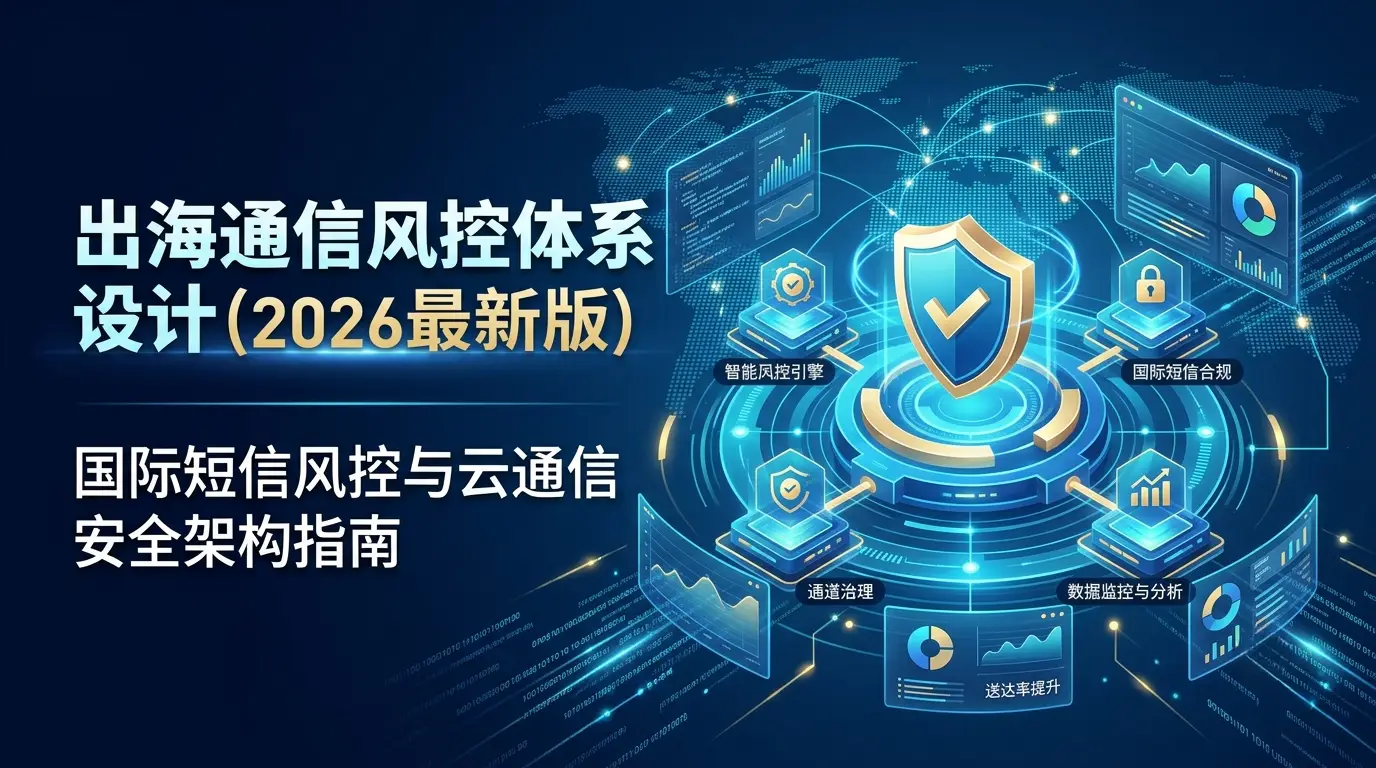
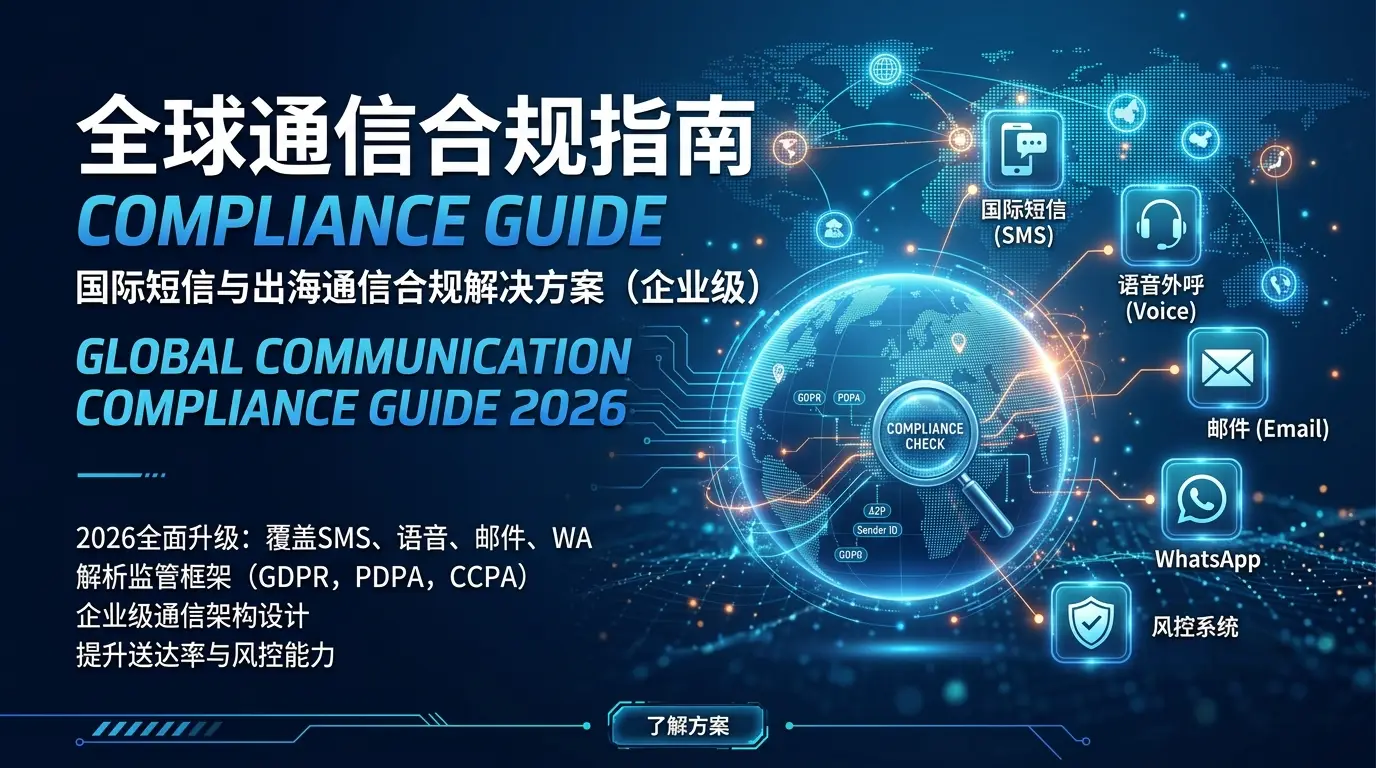
5. Communication Compliance and Risk Control System Becomes Core Capability (International SMS Compliance)
As global privacy protection regulations (such as GDPR, PDPA) strengthen, cloud communication compliance trends are significantly enhanced.
Future enterprises must have:
- Automatic content compliance detection
- Country-level communication routing compliance
- User subscription and unsubscribe system
- Real-time communication risk monitoring
Especially in finance, social and cross-border e-commerce sectors, communication risk control capabilities directly affect business security and stability.
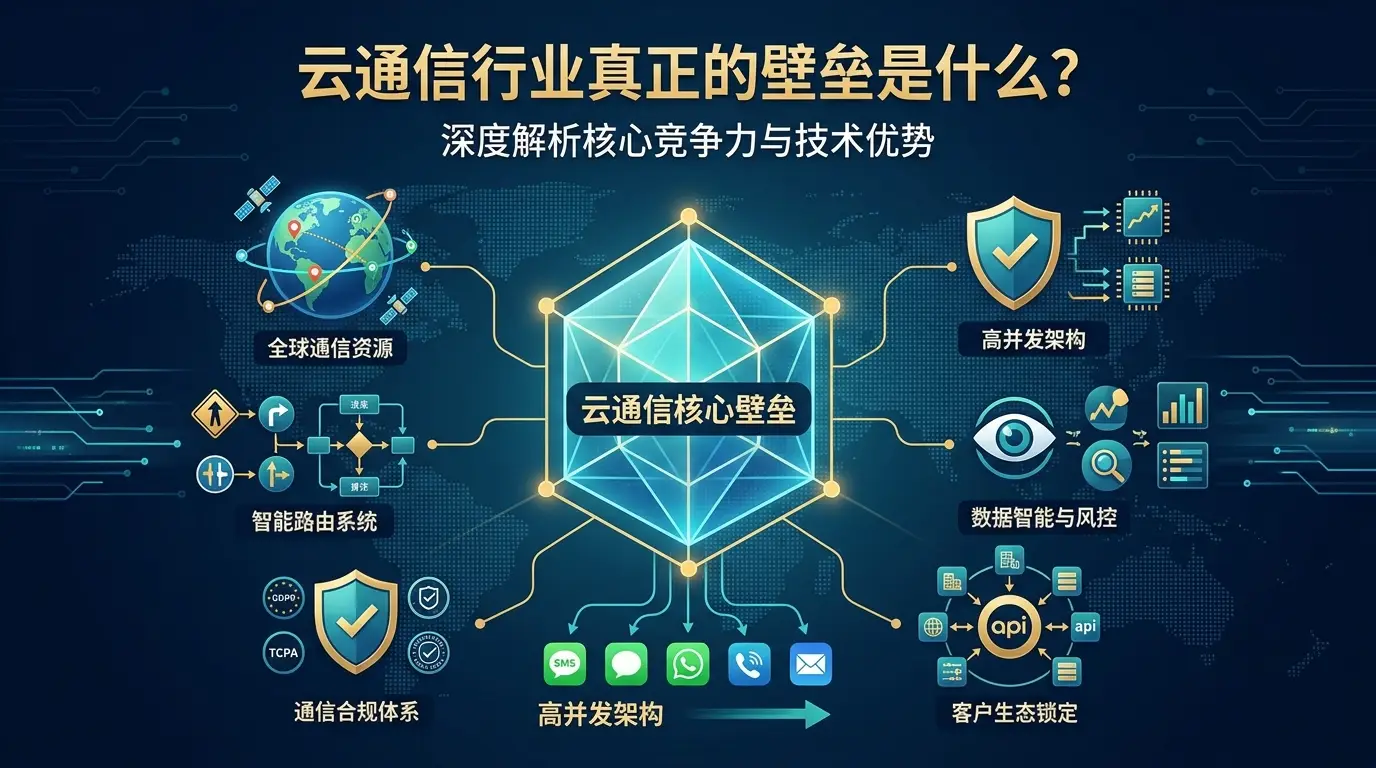
III. Cloud Communication Technical Architecture Trends: High Concurrency + Real-time Communication Capability
Future cloud communication platforms will upgrade from "message sending system" to "real-time event processing system".
Core capabilities include:
- Hundred-million-level SMS concurrent processing capability
- Second-level verification code delivery
- Distributed message queue architecture
- Elastic scaling and high availability architecture
Cloud communication systems are becoming part of enterprise real-time business infrastructure.
IV. Cloud Communication Industry is Entering CaaS 2.0 Stage
Cloud communication industry is entering Communication as a Service (CaaS) 2.0 stage from the API tool era.
Core changes include:
- Communication capability deeply embedded in business processes
- Data-driven communication decisions
- AI + Risk Control + Communication integration
- Industry-oriented standardized solutions
In the future, enterprises will no longer purchase "SMS services", but "scalable communication capability systems".
V. How Enterprises Choose Cloud Communication Platform
When choosing a cloud communication platform, it is recommended to focus on the following capabilities:
1. Global Channel Capability
Whether it has stable international SMS channels and multi-carrier direct connection capabilities.
2. Smart Routing Capability
Whether it supports dynamic optimization of SMS success rate and cost.
3. Compliance Capability
Whether it covers target country communication regulations and data privacy requirements.
4. Multi-channel Support
Whether it supports unified communication APIs such as SMS, WhatsApp, and Email.
5. Risk Control Capability
Whether it has anti-fraud, anomaly identification and communication security system.