What is SMS Gateway? Enterprise SMS Gateway Architecture and Core Capabilities
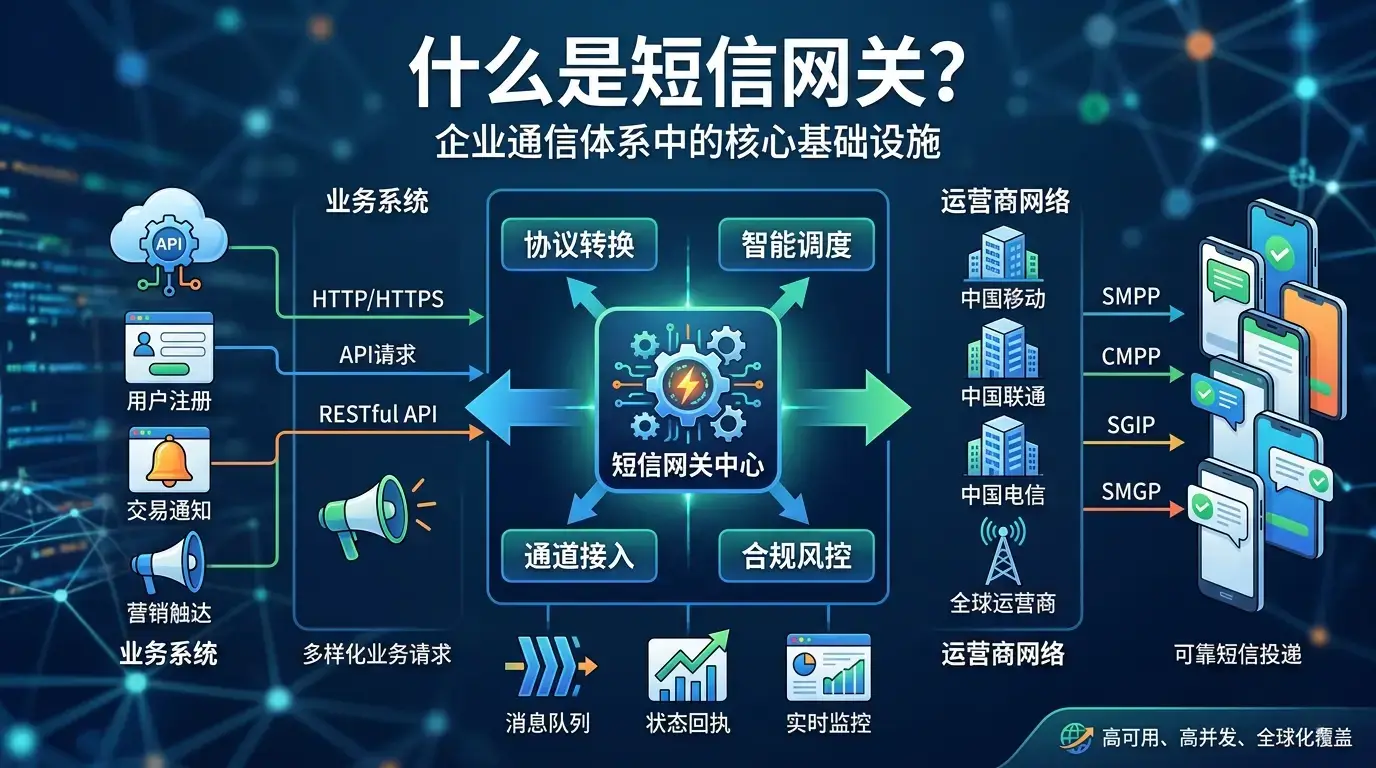
In enterprise communication systems, SMS Gateway is the key hub connecting business systems and operator networks. It is not just an "interface for sending SMS", but a communication infrastructure that integrates protocol conversion, channel scheduling, delivery control and stability assurance.
I. Core Definition of SMS Gateway
SMS Gateway refers to: An intermediate layer system that converts HTTP/API requests from enterprise systems into operator communication protocols and sends SMS to user mobile phones through multiple channels.
1. Protocol Conversion
Enterprise systems use HTTP/HTTPS/REST API, while operators use protocols such as SMPP, CMPP, SGIP, SMGP. SMS Gateway is responsible for protocol adaptation, encoding conversion, long SMS splitting and other underlying processing.
2. Multi-channel Access and Routing Scheduling
SMS Gateway aggregates multiple SMS channels, including direct operator connections, international SMS providers, regional aggregation channels, and implements intelligent routing selection, success rate priority/cost priority, and automatic failover through strategies.
II. Core Functional Modules of SMS Gateway
1. API Access Layer
- Standardized SMS API, high concurrency processing capability, authentication and rate limiting mechanism
2. Intelligent Routing System (Core Capability)
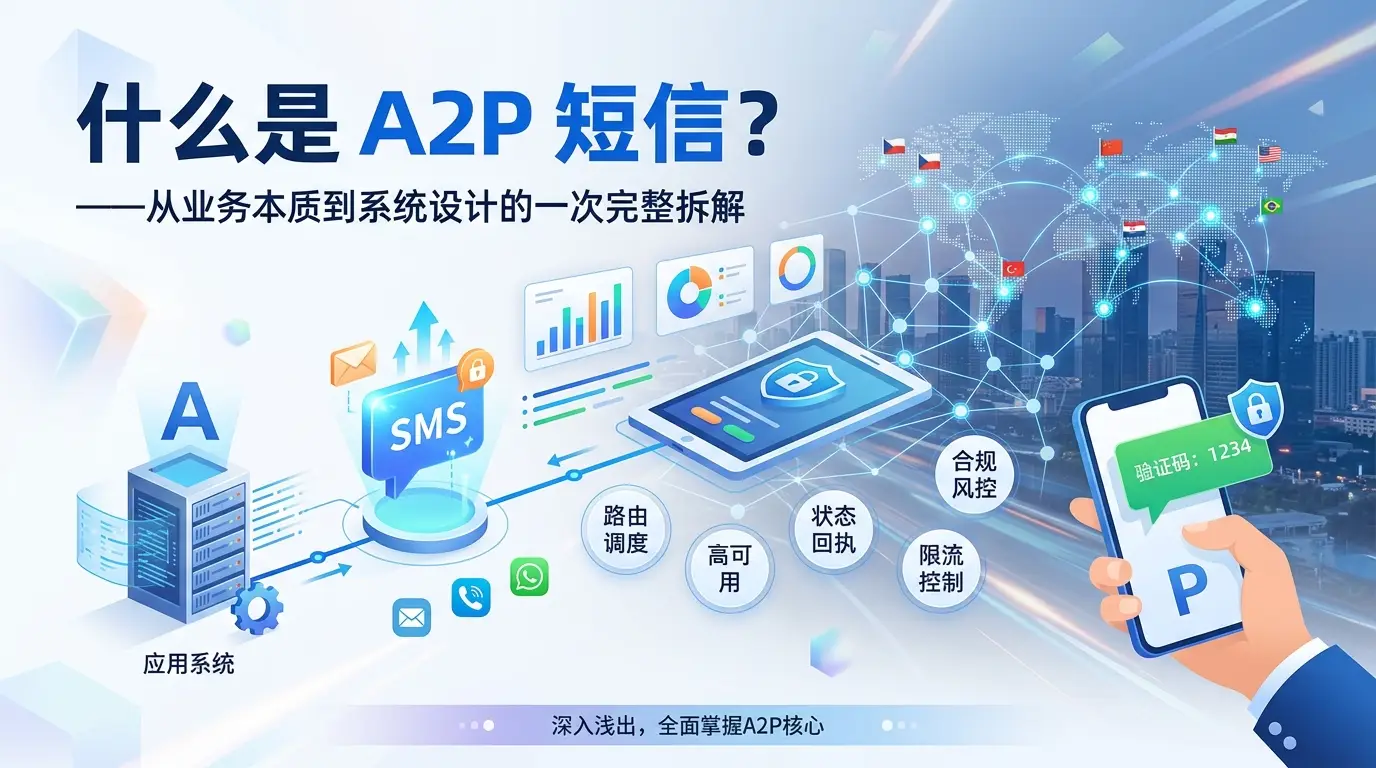
Determines which channel the SMS "takes": country/operator distribution, dynamic weight adjustment, real-time success rate feedback, A/B routing testing. Directly affects SMS delivery rate and cost.
3. Channel Management System
- Multi-channel access, channel health detection, automatic switching of abnormal lines, SLA monitoring
4. Message Queue and Asynchronous Sending
- Peak shaving and valley filling, high concurrency processing, retry mechanism
5. Delivery Receipt (DLR)
- Unified operator receipt processing, standardized status (success/failure), Webhook callback support
6. Risk Control and Compliance System
- Content compliance filtering, sending frequency control, country regulation adaptation (e.g., India DLT, US 10DLC), Sender ID management
III. SMS Gateway vs SMS Platform
Simply put: SMS Gateway = Capability Layer, SMS Platform = Application Layer
| Comparison |
SMS Gateway |
SMS Platform |
| Positioning |
Technical Infrastructure |
SaaS Application |
| Target Audience |
Developers |
Operations Personnel |
| Functions |
Routing, Protocol, Sending |
Templates, Marketing, Data Analytics |
| Flexibility |
High |
Lower |
IV. Why Enterprises Must Use SMS Gateway?
1. Improve SMS Delivery Rate
Through multi-channel scheduling + real-time switching, avoiding single point of failure.
2. Reduce SMS Costs
- Optimize channels by country, dynamically select low-cost routes, refined routing strategies
3. Support Global Business
- Coverage in 200+ countries and regions, localized Sender ID, compliance adaptation
4. Provide Data Monitoring Capabilities
- Real-time success rate, latency monitoring, channel quality analysis
V. Typical Application Scenarios
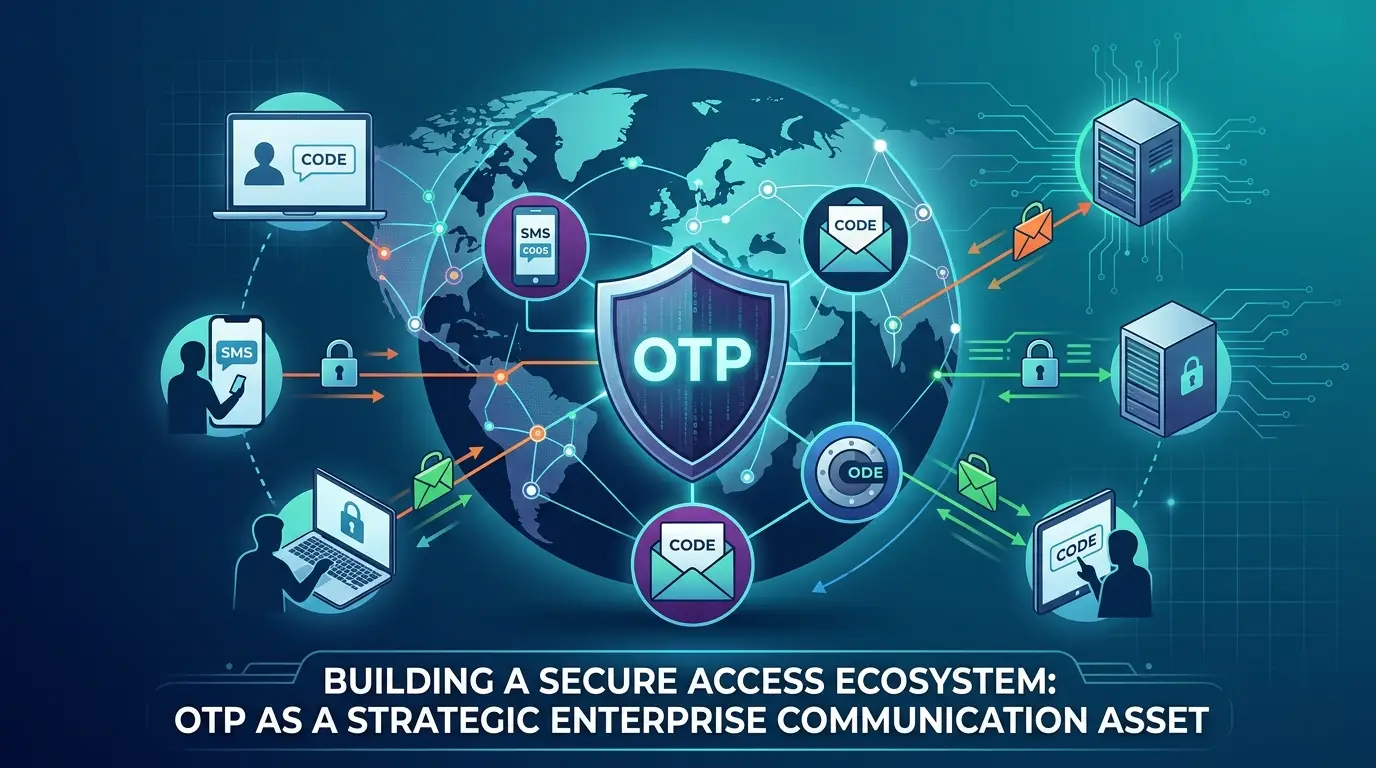
- User Registration Verification Code (OTP)
- Login Verification / Two-Factor Authentication
- Order Notifications / Logistics Reminders
- Marketing SMS (Activation / Recall)
- International User Reach
VI. SMS Gateway Development Trends
- AI Intelligent Routing Optimization
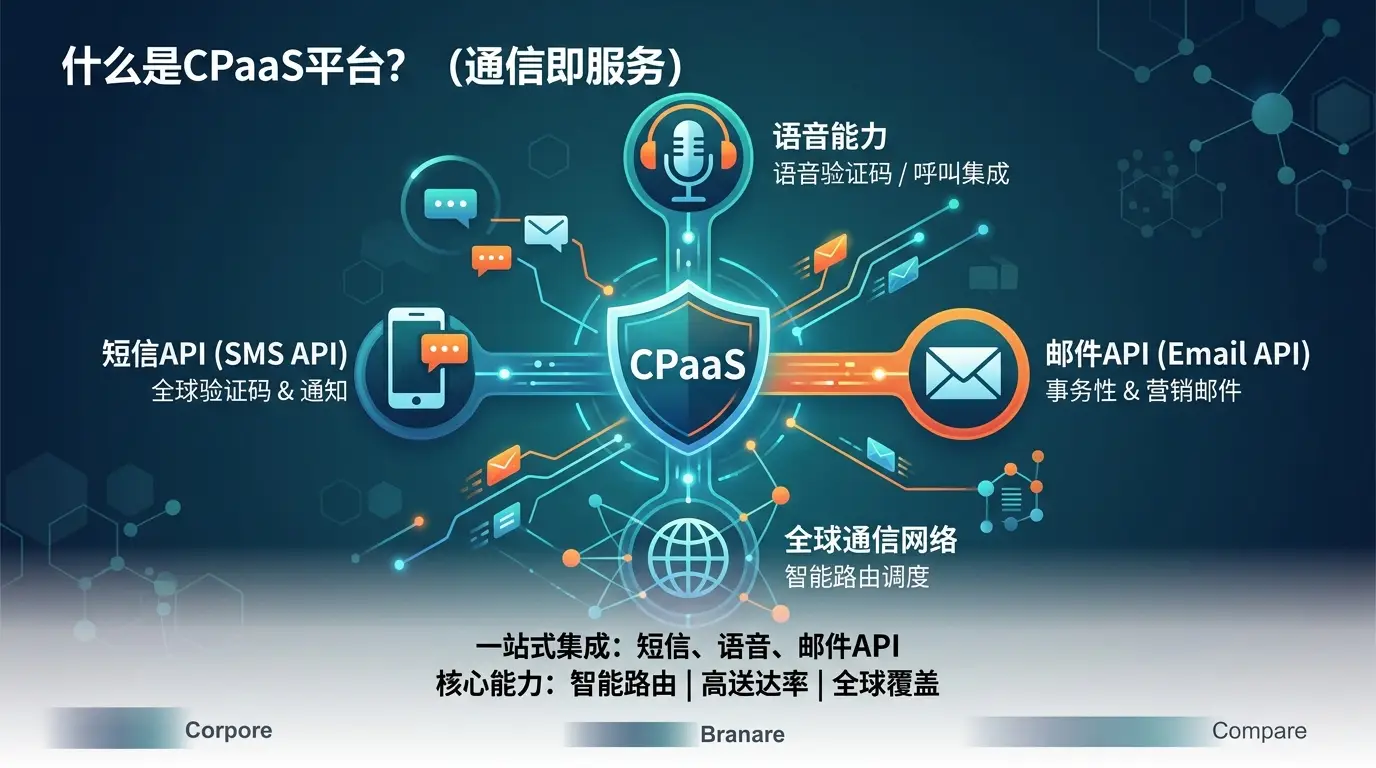
- Multi-channel Integration (SMS+Email+Voice)
- Global Compliance Enhancement
- Multi-region High Availability Architecture (99.99% SLA)
VII. Summary
SMS Gateway has evolved from a "sending tool" to the core infrastructure of enterprise communication. If your business involves user growth, overseas markets, or high-concurrency reach, a stable and scalable SMS Gateway system is a key capability that must be invested in.
👉 Action Recommendation
If you are looking for high-delivery-rate international SMS services, SMS Gateway with global routing optimization, or enterprise-level communication solutions, you can learn more about our cloud communication platform and get exclusive technical solutions and quotes.