What is OTP Verification Code? Enterprise OTP Verification System Explained (SMS/Email/Voice)
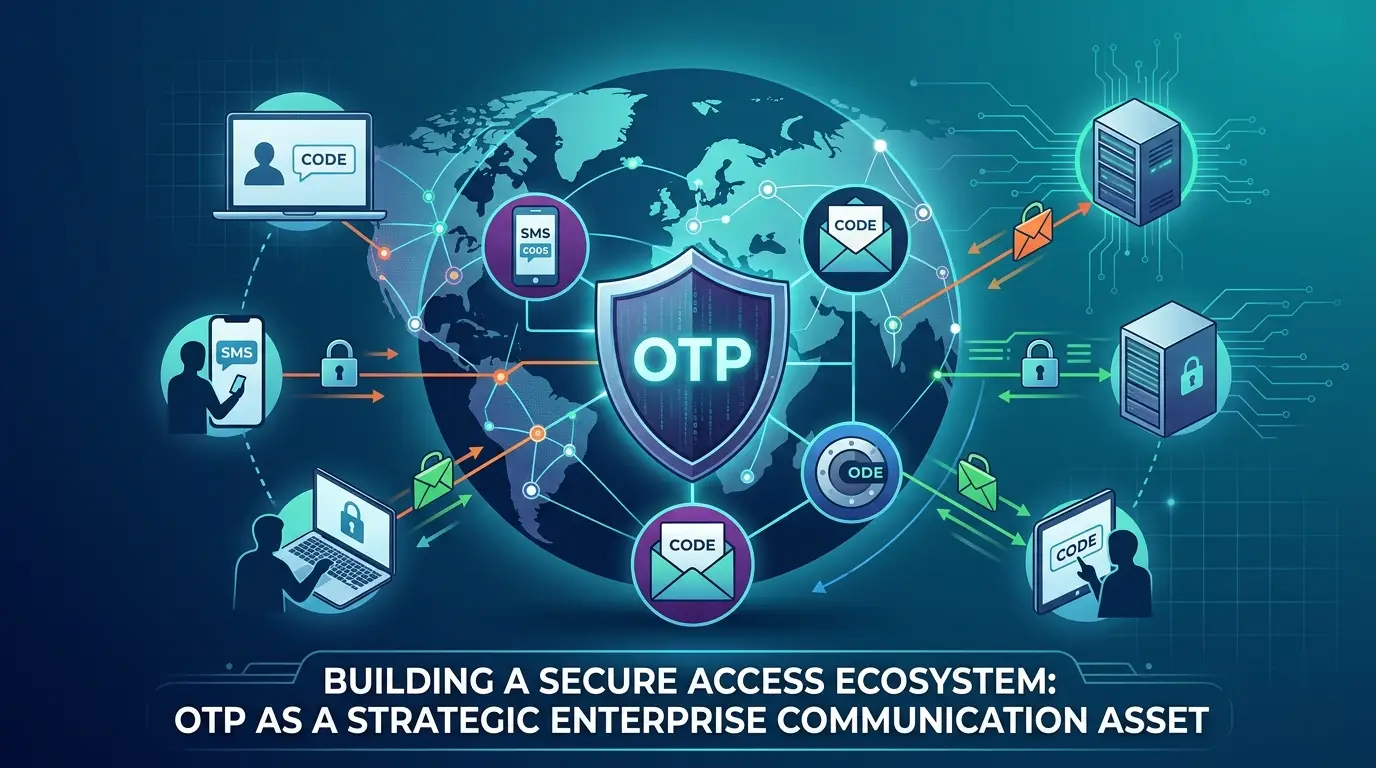
OTP verification code (One-Time Password) is a dynamic security credential valid only for one authentication, widely used in registration login, payment confirmation, account protection and other critical business scenarios.
I. Core Types of OTP Verification Codes
Compared to traditional static passwords, OTP verification codes feature: one-time use (prevent replay attacks), short validity period (usually 30 seconds - 5 minutes), dynamic generation (unpredictable). In enterprise systems, OTP is not just a verification code, but a core component of the user identity authentication system.
1. SMS OTP
The most common form of verification code, sent via mobile SMS.
Core advantages:
- Highest global coverage
- Lowest user barrier
- High conversion rate
Typical scenarios: User registration/login verification, phone number binding, payment confirmation
2. Email OTP
Verification code sent via email, suitable for non-real-time scenarios.
Features: Low cost, suitable for cross-device verification
Application scenarios: Account recovery, security verification supplement
3. Voice OTP
Verification code announced via voice call, as a backup solution for SMS.
Advantages: Effective fallback when SMS fails, improves overall delivery rate
4. TOTP / HOTP (Algorithm-based OTP)
Dynamically generated verification code based on algorithms (e.g., Google Authenticator).
Features: No communication network required, highest security level, strong anti-interception capability
II. How OTP Verification Codes Work
A standard OTP verification process follows these steps:
- User initiates request (registration/login)
- System generates random verification code
- Write to cache and set validity period (TTL)
- Send via SMS/email/voice
- User enters verification code
- Server validates and returns result
In enterprise systems, this process is typically managed by a unified OTP verification service module.
III. Why Enterprises Must Build OTP Verification Systems?
1. Enhance Account Security
OTP is the foundational capability for building MFA (Multi-Factor Authentication), effectively preventing: credential stuffing attacks, password leaks, unauthorized logins.
2. Improve User Registration Conversion Rate
In overseas business: Verification code delivery rate = Registration success rate, Verification code delay = User churn rate. A stable OTP system directly impacts growth metrics.
3. Support Global Business
Enterprises face different challenges in different countries: operator differences, channel quality fluctuations, policy compliance restrictions. OTP systems need global intelligent scheduling capabilities.
IV. Enterprise OTP System Design Solution
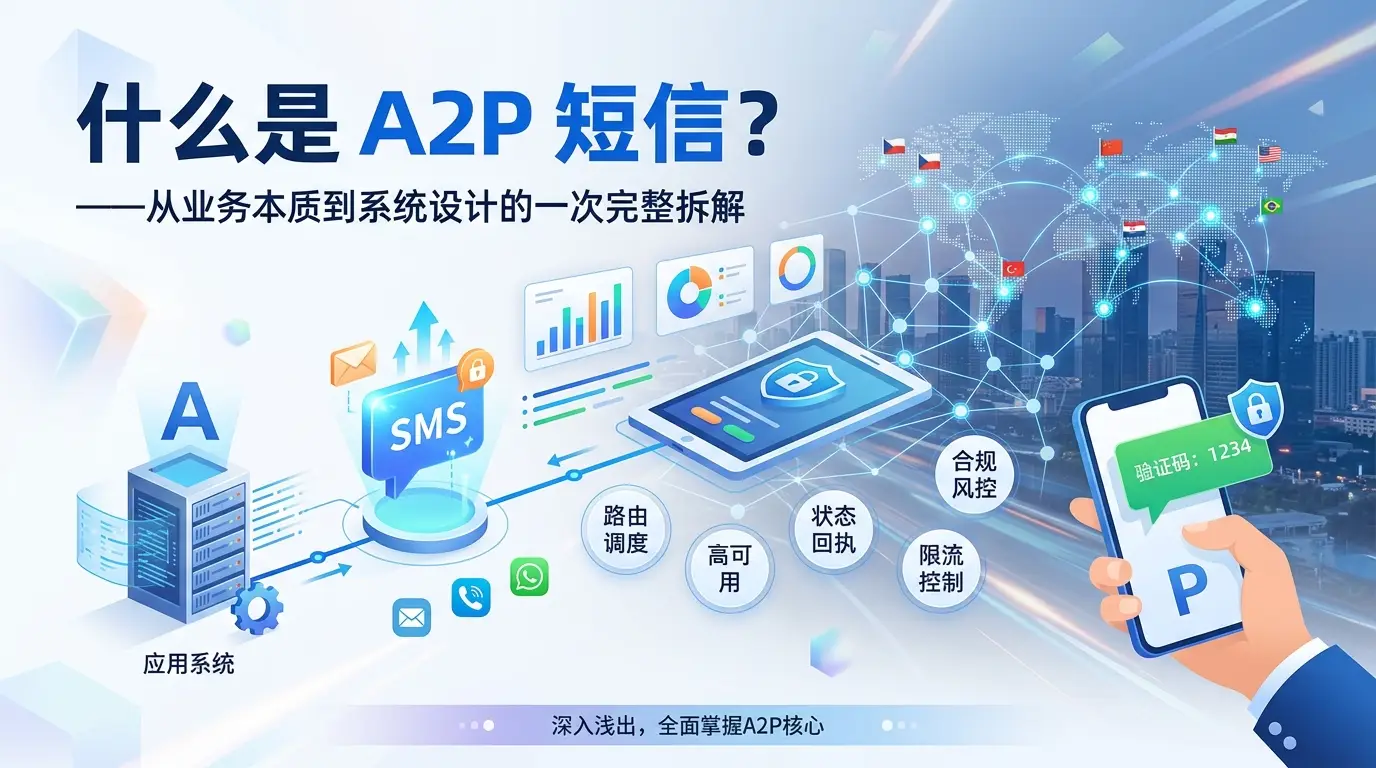
✔ High Availability Architecture
- Multi-SMS channel redundancy (avoid single point of failure)
- Intelligent routing (automatically select optimal path by country)
- Real-time switching (automatic fault recovery)
✔ High Delivery Rate Optimization
- Real-time channel quality monitoring
- Automatic retry mechanism
- Voice verification code fallback
✔ Security and Risk Control Mechanisms
- Verification code encrypted storage
- Request frequency limiting (anti-scraping)
- Error count limiting (anti-brute force)
✔ Global Compliance Support
- GDPR / PDPA data compliance
- India DLT template registration
- Country-specific sending strategy adaptation
V. Build Your Enterprise OTP Verification System Now
If your business involves: overseas product registration/login, user identity verification, payment and risk control systems, what you need is not just "sending verification codes", but a complete global OTP solution.
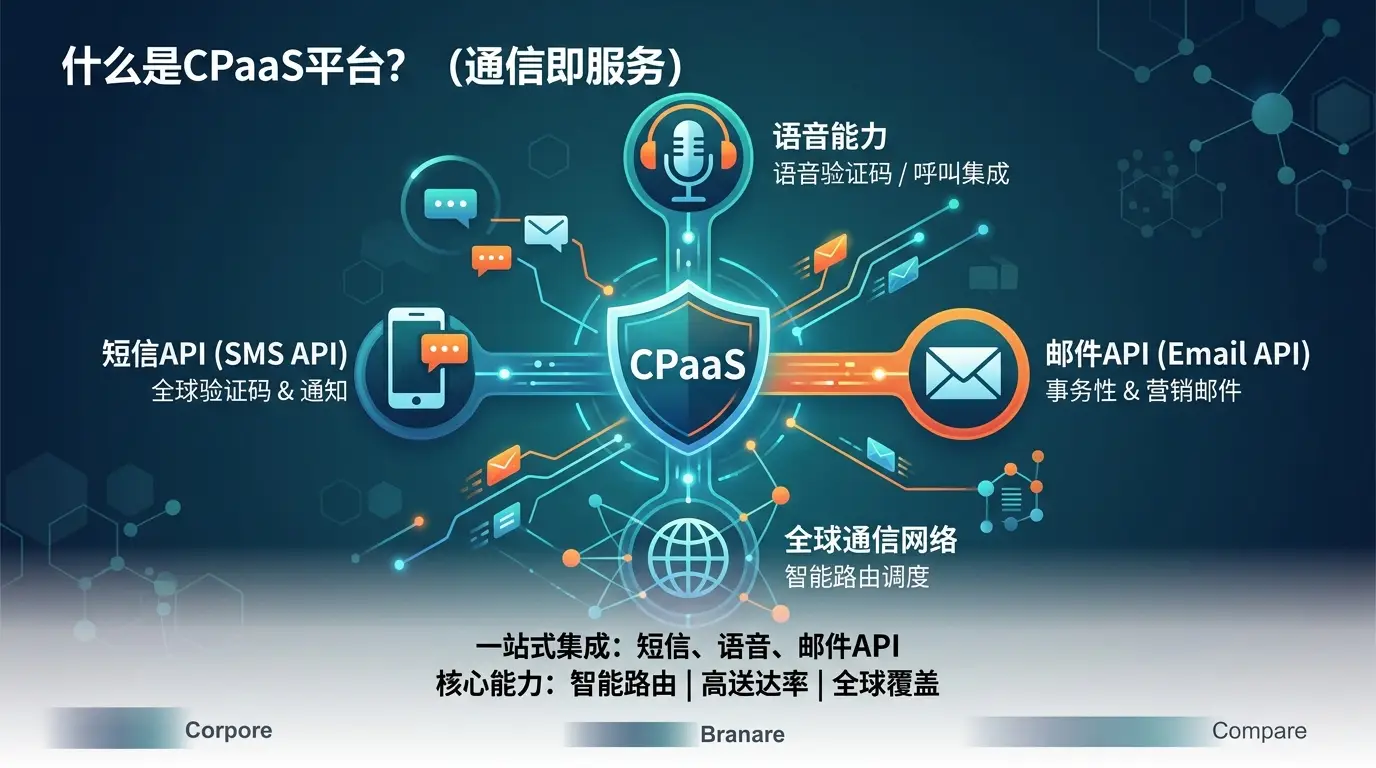
- Global SMS/voice/email OTP integrated capability
- Intelligent routing + high delivery rate guarantee
- Enterprise-level security and risk control system
- Quick API integration (1-day launch)
Contact us now / Get test account to improve your user conversion rate and security