Do SMEs Need Cloud Communication Services? Cloud Communication Value, Application Scenarios and Selection Guide
With the deepening of enterprise digital transformation, communication capabilities have become important infrastructure for enterprises to connect with customers and improve operational efficiency. In the past, cloud communication was mainly used by large Internet enterprises, financial institutions, and multinational corporations. However, in recent years, with the maturity of API communication technology, communication capabilities such as SMS, email, and voice have gradually become service-oriented. SMEs can also obtain stable, secure, and scalable enterprise-level communication capabilities at a lower cost through cloud communication platforms. So: Do SMEs really need to subscribe to cloud communication services? The answer depends on whether the enterprise needs more efficient, stable, and intelligent user connection capabilities.
1. What is Cloud Communication Service?
Cloud Communications is a service model based on cloud computing technology that provides communication capabilities to enterprises through APIs, SDKs, or SaaS platforms.
Enterprises do not need to build their own communication infrastructure. They only need to call the interfaces provided by cloud communication platforms to quickly access:
- International SMS Service
- Enterprise Email Service
- Voice Communication Service
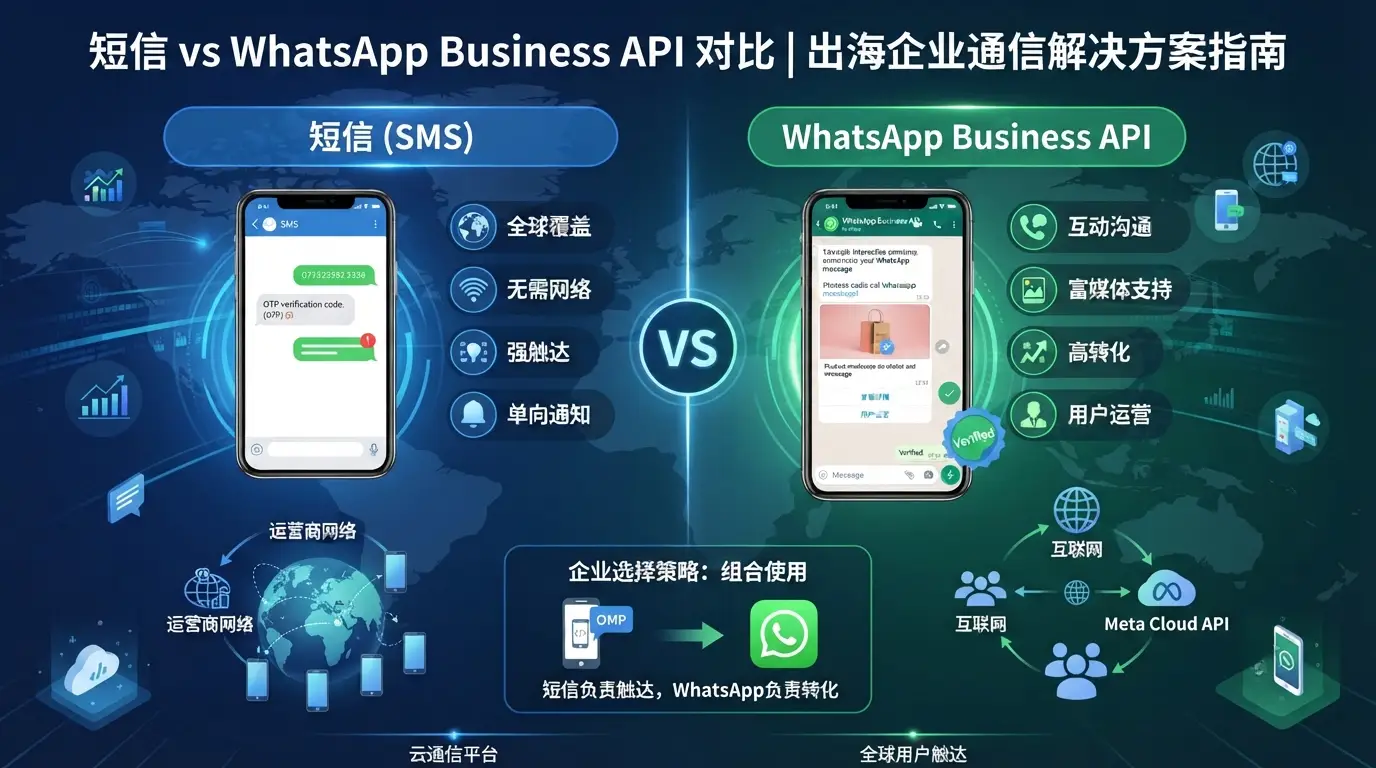
- WhatsApp Business API
- RCS Rich Media Messaging
Simply put: Cloud communication transforms traditional communication capabilities into digital services that enterprises can directly call.
For example:
- Users receive verification codes during registration;
- Real-time notifications for e-commerce order status;
- Overseas customers receive marketing emails;
- Customer service systems automatically trigger voice notifications.
These are all typical application scenarios of cloud communication.
2. Why Do SMEs Need Cloud Communication Services?
Many SMEs believe: "Our business scale is not large, so there is no need to use cloud communication."
But in fact, whether an enterprise needs cloud communication has little to do with its size, and depends more on whether there is a user reach requirement.
1. Reduce Enterprise Communication System Construction Costs
Traditional communication models require enterprises to build themselves:
- SMS Gateway
- Email Server
- Communication Lines
- Operation and Maintenance System
- Security Protection System
For SMEs, building their own communication system not only requires high investment costs but also continuous maintenance.
Cloud communication platforms adopt a SaaS service model:
Enterprises do not need to purchase a large amount of hardware equipment or configure professional communication teams.
Global communication capabilities can be used through API integration.
This allows SMEs to have communication infrastructure similar to large enterprises.
2. Improve Message Delivery Rate for SMS, Email, etc.
For enterprises: Successfully sending a message does not mean the business is completed.
What really matters is:
- Did the user receive it?
- Did they see it in time?
- Did it generate conversions?
For example:
If cross-border e-commerce sends payment verification codes with SMS delays;
If financial platforms send security reminders that end up in spam folders;
It will directly affect the user experience.
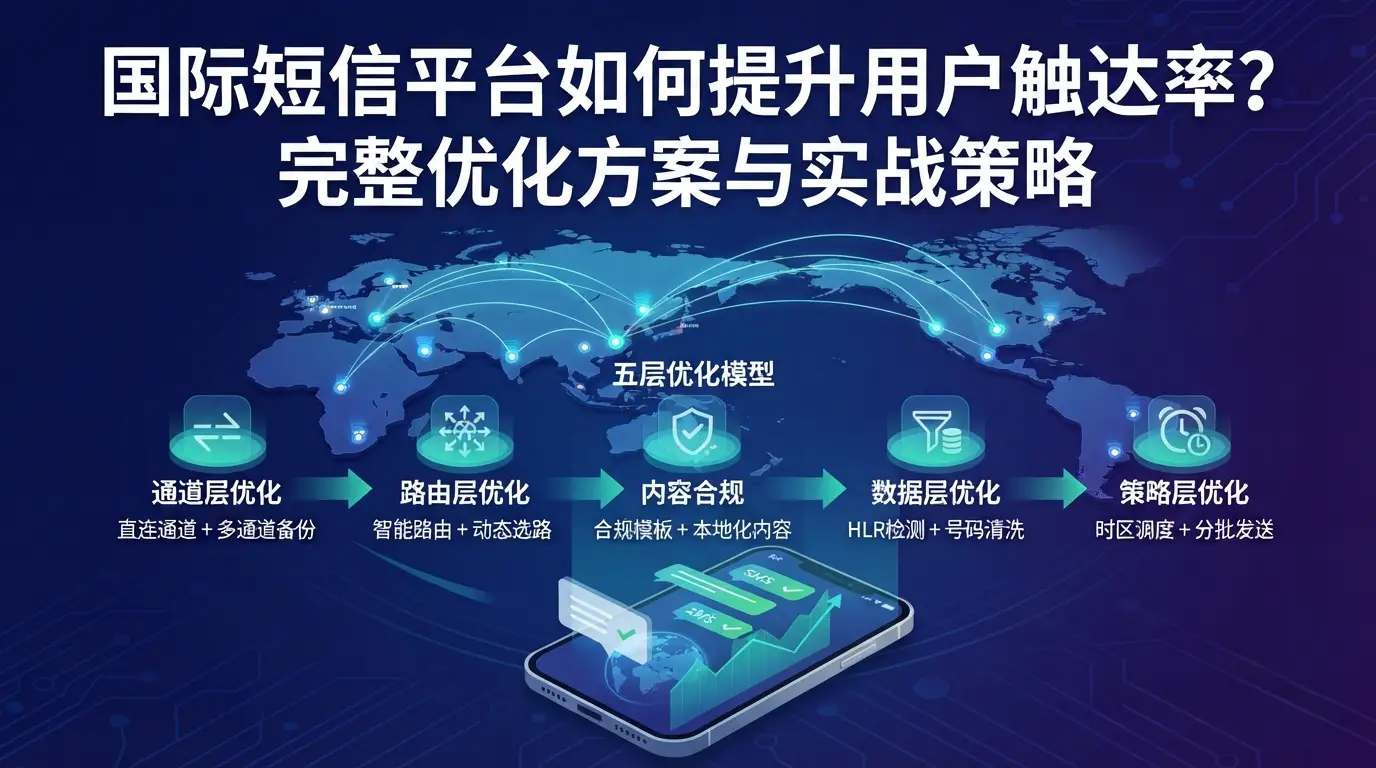
Professional cloud communication platforms usually provide:
- Intelligent routing scheduling
- Multi-operator channels
- Automatic failover
- Delivery status monitoring
- Email IP reputation management
Helping enterprises improve communication quality.
3. Support Enterprise Global Business Development
For overseas enterprises, different countries have different communication rules:
For example:
- Different operator policies
- Different Sender ID requirements
- Different SMS regulations
- Different user communication habits
If enterprises solve global communication resources on their own, it requires a lot of time investment.
Cloud communication platforms can help enterprises quickly obtain:
- Global SMS coverage capability
- International email sending capability
- Localized communication resources
- Compliant communication solutions
Reducing the technical threshold for enterprises to enter overseas markets.
3. Which Enterprises Are Suitable for Cloud Communication?
1. Cross-border E-commerce Enterprises
Main applications:
- Registration verification codes
- Login notifications
- Order reminders
- Logistics notifications
- Marketing messages
For cross-border e-commerce, stable communication capabilities directly affect user conversion.
2. SaaS Software Enterprises
SaaS products usually require:
- User identity verification
- Password recovery
- System notifications
- Product update reminders
Cloud communication can help SaaS enterprises quickly establish user notification systems.
3. Gaming Overseas Enterprises
The gaming industry highly depends on:
- Mobile registration
- OTP verification codes
- Event notifications
- User recall
Stable international SMS capability is an important foundation for overseas user growth.
4. Fintech Enterprises
Financial services have higher requirements for communication reliability.
- Login verification
- Risk control reminders
- Transaction notifications
Requiring stable, secure, and compliant communication platforms.
4. What Should SMEs Pay Attention to When Choosing Cloud Communication Platforms?
1. Communication Resource Quality
Don't just focus on price.
Low-cost communication resources may lead to:
- Reduced delivery rate
- Increased latency
- User complaints
Enterprises should focus on:
- Whether it has direct carrier connection resources
- Whether it supports intelligent routing
- Whether it covers target markets
2. Platform Stability
Enterprise communication is a critical business link.
Need to pay attention to:
- High concurrency capability
- System availability
- Disaster recovery capability
- Monitoring system
3. API Integration Capability
Excellent cloud communication platforms should support:
- REST API
- SMPP
- Webhook
- Data statistics interface
Facilitating rapid enterprise integration into business systems.
4. Global Compliance Capability
International communication involves:
- Sender ID registration
- Template review
- Data security
- Local regulations
Compliance capability determines the long-term stability of communication services.
5. Is Cloud Communication Service Expensive?
Many enterprises believe: Cloud communication must require a large investment.
In fact, most cloud communication platforms adopt: Pay-as-you-go pricing model.
Enterprises do not need to:
- Purchase servers
- Build communication systems
- Recruit operation and maintenance personnel
Only need to:
- Register an account
- Get API
- Complete configuration
- Pay based on actual sending volume
For SMEs, they can start with basic scenarios such as SMS verification codes and email notifications.
6. When Should Enterprises Deploy Cloud Communication?
If the enterprise encounters the following situations:
- Starting to expand into overseas markets
- Rapid user scale growth
- Frequent verification code delays
- Emails going to spam
- Need for automated notifications
- Hope to reduce technical investment
Then the enterprise already needs to consider cloud communication capabilities.
7. Conclusion: Cloud Communication is Becoming Enterprise Digital Infrastructure
Cloud communication is no longer exclusive to large enterprises.
With the development of API communication, cloud computing, and global network resources, SMEs can also obtain stable, efficient, and secure customer connection capabilities through cloud communication.
For enterprises undergoing digital transformation or expanding into overseas markets, choosing the right cloud communication platform can not only reduce communication costs but also improve user experience and provide long-term support for business growth.