What is a Cloud Communication Provider? How is it Different from Operators? How Should Enterprises Choose Cloud Communication Platforms
With the acceleration of enterprise digital transformation, the way enterprises connect with users is changing. Verification code SMS, order notifications, marketing reach, voice customer service, email marketing and other businesses all require stable and efficient communication capabilities.
Many enterprises encounter a question when building business systems: What is a cloud communication provider? How is it different from operators? Why do enterprises need cloud communication providers?
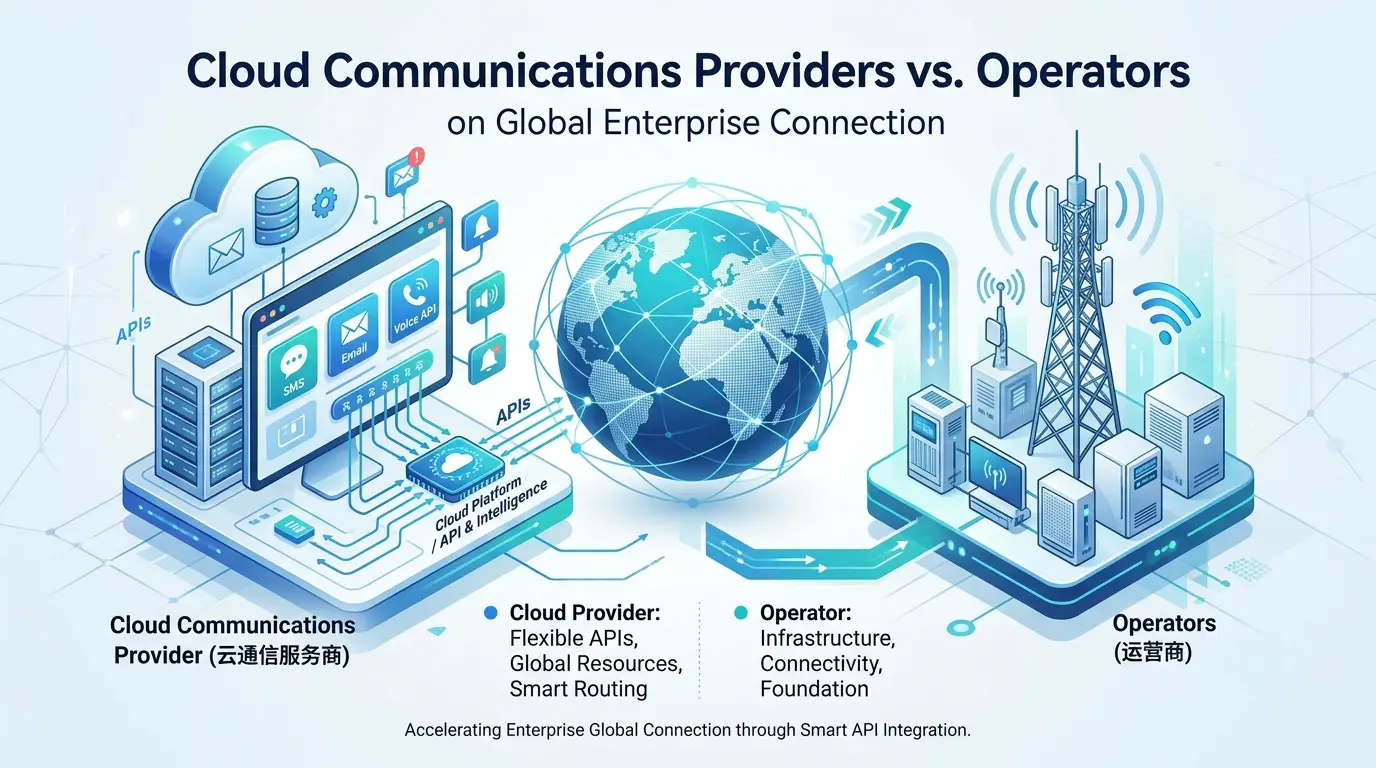
Simply put: Operators are responsible for building communication networks, while cloud communication providers provide communication capabilities to enterprises directly through cloud platforms, API interfaces and intelligent scheduling technology. Together, they form the modern enterprise communication system.
1. What is a Cloud Communication Provider?
A cloud communication provider (Cloud Communications Provider) is a platform-type enterprise that provides communication capability services to enterprises based on cloud computing, communication protocols and open API technology.
Traditional communication capabilities are usually provided by operators, but enterprises directly accessing operator networks need to face:
- High technical development costs
- Complex communication system construction
- Difficulty integrating global operator resources
- Complex communication rules in different countries
Cloud communication providers integrate global communication resources and encapsulate SMS, voice, email and other capabilities into standardized services. Enterprises only need to call API interfaces to quickly implement:
- SMS verification code sending
- User notification reminders
- International SMS reach
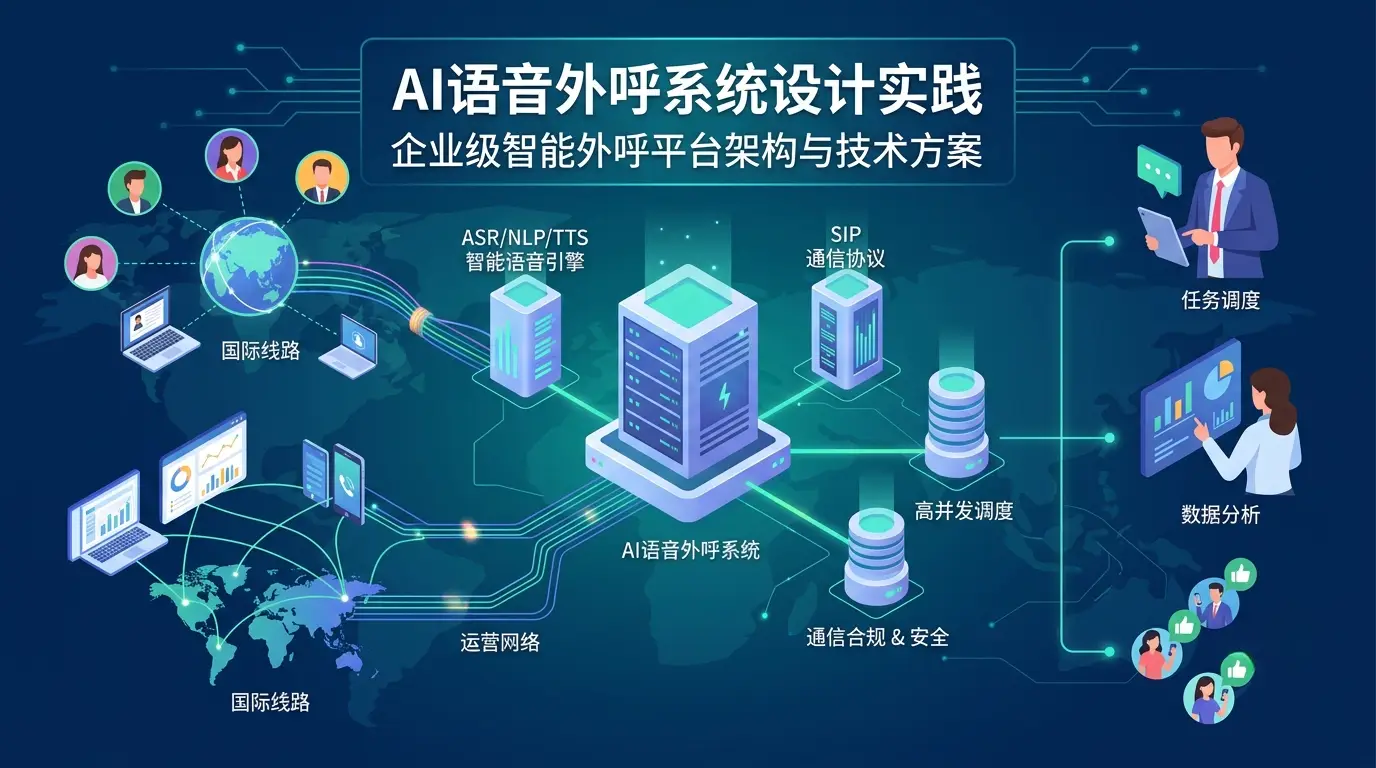
- AI voice outbound calls
- Enterprise email sending
- Customer service communication
2. What Services Do Cloud Communication Providers Offer?
1. Enterprise SMS Service
SMS is one of the most widely used communication methods by enterprises. Cloud communication providers provide enterprises with:
Verification Code SMS
Applied in:
- User registration
- Login verification
- Password recovery
- Risk control verification
For example: When users register for overseas APPs and receive verification code SMS, it is usually sent by a cloud communication platform.
Notification SMS
Application scenarios:
- Order reminders
- Logistics notifications
- Payment reminders
- Service status notifications
International SMS Service
For cross-border enterprises, international SMS needs to solve:
- Multi-country operator access
- Sender ID registration
- Communication compliance
- Delivery rate optimization
Professional international SMS platforms can help enterprises improve global user reach capabilities.
2. Cloud Voice Service
Cloud communication providers use SIP, VoIP and other technologies to provide enterprises with:
- Voice verification codes
- AI intelligent outbound calls
- Call center
- Customer service hotline
- International voice lines
Compared with traditional telephone systems, cloud voice does not require deploying a large number of hardware devices and can quickly expand according to business scale.
3. Enterprise Email Communication Service
Email is still an important channel for enterprise global marketing and business notifications. Cloud communication platforms typically provide:
- SMTP email sending
- API email interface
- Email delivery monitoring
- IP reputation management
- Bounce analysis
Helping enterprises improve email delivery rates and reduce the risk of entering spam folders.
3. What is the Difference Between Cloud Communication Providers and Operators?
Many enterprises easily confuse cloud communication providers with operators. In fact, their positioning is completely different.
| Core Positioning |
Article Summary |
Article Details |
| Core Positioning |
Enterprise Communication Capability Service Platform |
Communication Infrastructure Builder |
| Main Capabilities |
API, Platform, Intelligent Scheduling |
Network Construction, Number Resources |
| Service Object |
Enterprise Developers |
Enterprises and Individual Users |
| Access Method |
API, SDK, SMPP |
Dedicated Lines, Operator Networks |
| Global Coverage |
Integrates multi-region resources |
Mainly covers own network |
| Flexibility |
High |
Relatively Fixed |
| Data Capability |
Strong |
Basic Transmission |
Simply understand: Operators solve "how communication networks transmit", while cloud communication providers solve "how enterprises efficiently use communication capabilities".
4. Why Do Enterprises Need Cloud Communication Providers?
1. Reduce Communication System Construction Costs
If enterprises build communication systems themselves, they need to invest in:
- Communication gateways
- Server resources
- Network lines
- Technical maintenance team
Cloud communication providers have already completed the underlying infrastructure, and enterprises can call on demand.
2. Quickly Connect with Global Users
For overseas enterprises, different countries have:
- Communication regulatory differences
- Operator rule differences
- SMS policy differences
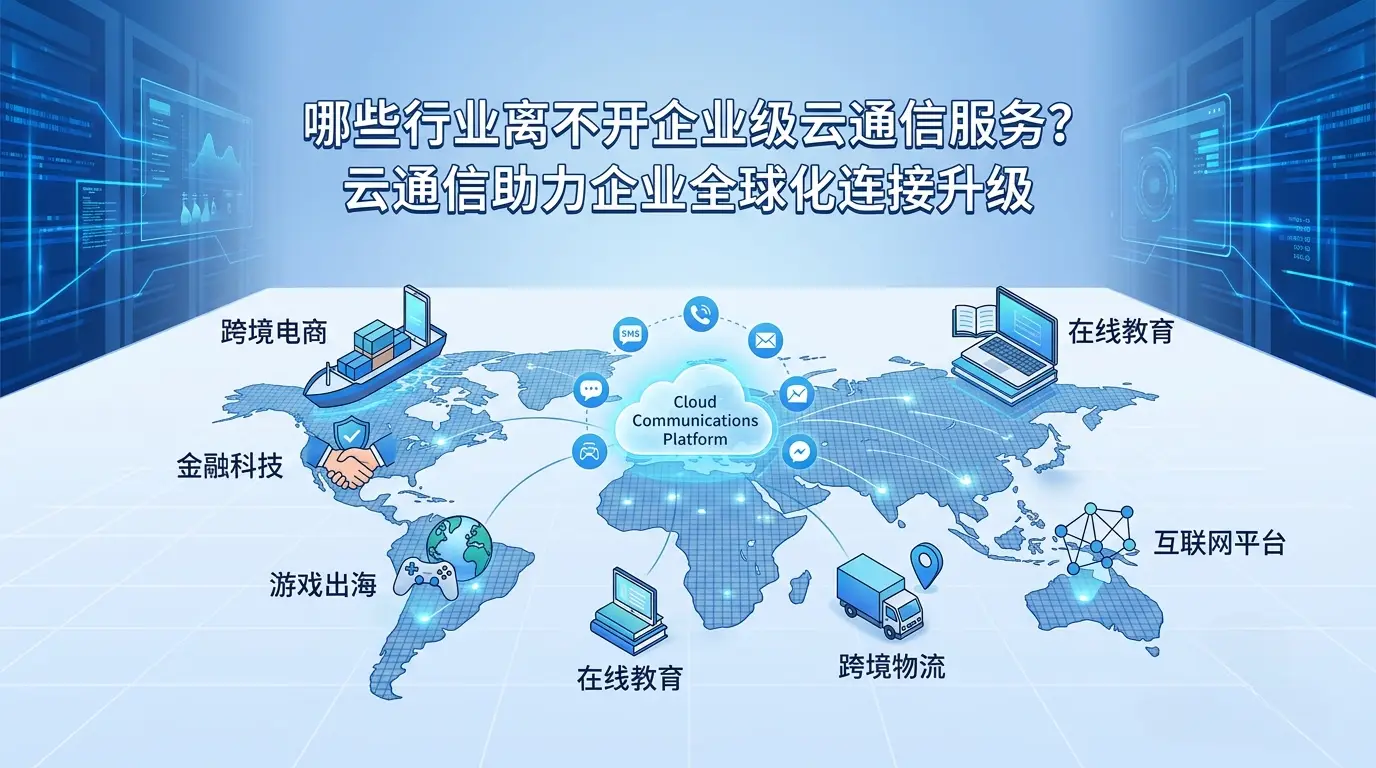
Cloud communication providers can help enterprises quickly access global markets. Suitable for:
- Cross-border e-commerce
- Gaming overseas
- Fintech
- Online education
- Social applications
3. Improve Communication Stability
Enterprise communication focuses most on:
- Whether it is sent successfully
- Whether it is delivered in time
- Whether it runs stably
Professional cloud communication platforms typically have:
- Intelligent routing
- Multi-line backup
- Automatic failover
- Real-time status monitoring
Improving overall communication reliability.
5. What is the Technical Architecture of Cloud Communication Platforms?
A complete enterprise cloud communication platform typically includes:
Enterprise Business System
↓
API Interface Layer
↓
Communication Scheduling Layer
↓
Protocol Processing Layer
↓
Operator Network
↓
End User
API Interface Layer
Responsible for enterprise system access. Supports:
Scheduling Layer
Responsible for:
- Channel selection
- Intelligent routing
- Traffic control
- Failover
Communication Management Layer
Responsible for:
- Message status tracking
- Receipt processing
- Data statistics
6. How to Choose a Reliable Cloud Communication Provider?
1. Global Communication Resources
Focus on:
- Number of covered countries
- Operator cooperation status
- Localized communication capabilities
2. Message Delivery Capability
Focus on:
- SMS delivery rate
- Voice call rate
- Email delivery rate
The core of communication services is not price, but stable reach.
3. API Development Capability
Excellent cloud communication platforms should support:
- REST API
- SMPP protocol
- Webhook callbacks
- SDK quick integration
Reducing enterprise development costs.
4. Compliance Capability
International communication involves:
- Content review
- Sender ID management
- National regulatory requirements
- Anti-spam strategies
Compliance capability determines the long-term operational stability of enterprises.
7. Future Development Trends of Cloud Communication Providers
In the future, enterprise communication will evolve from simple information sending to intelligent customer connection. The main trends include:
AI Communication Integration
AI customer service and AI voice robots will become important components of enterprise services.
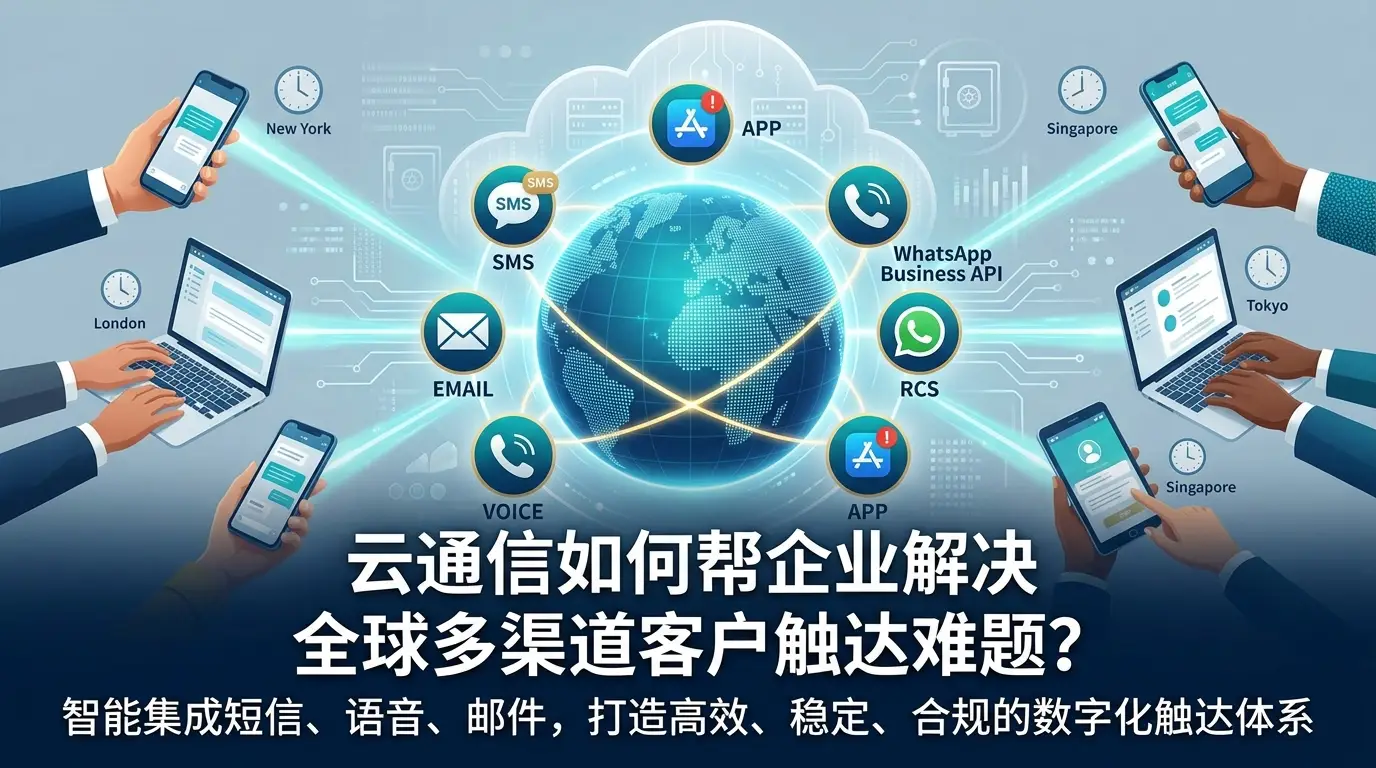
Multi-Channel Integration
SMS, email, WhatsApp, voice and other channels will form a unified communication entry.
Communication Capability API-ization
Enterprises do not need to build communication infrastructure, and can quickly obtain global communication capabilities through APIs.
8. Enterprise Cloud Communication Solution Recommendations
If enterprises are looking for:
- International SMS solutions
- Enterprise email services
- Cloud voice platforms
- Global communication APIs
They can quickly build global user reach systems through professional cloud communication providers.
Mature cloud communication platforms typically have:
- ✓ Global operator resource coverage
- ✓ API quick integration
- ✓ Intelligent routing optimization
- ✓ Message status tracking
- ✓ Enterprise-grade stability guarantee
Helping enterprises reduce communication costs and improve user reach efficiency.