Are Your Users Stuck on the Registration Page? Unveiling the Hidden Culprits Behind Low International OTP Delivery Rates
Imagine this scenario: your team spends tens of thousands of dollars on ad campaigns, users finally click and download your app, eagerly enter their phone number to register—and then… the 60-second countdown hits zero, yet the phone remains silent. Without patience to tap "Resend" again, users simply swipe away, quit the app, and uninstall it.
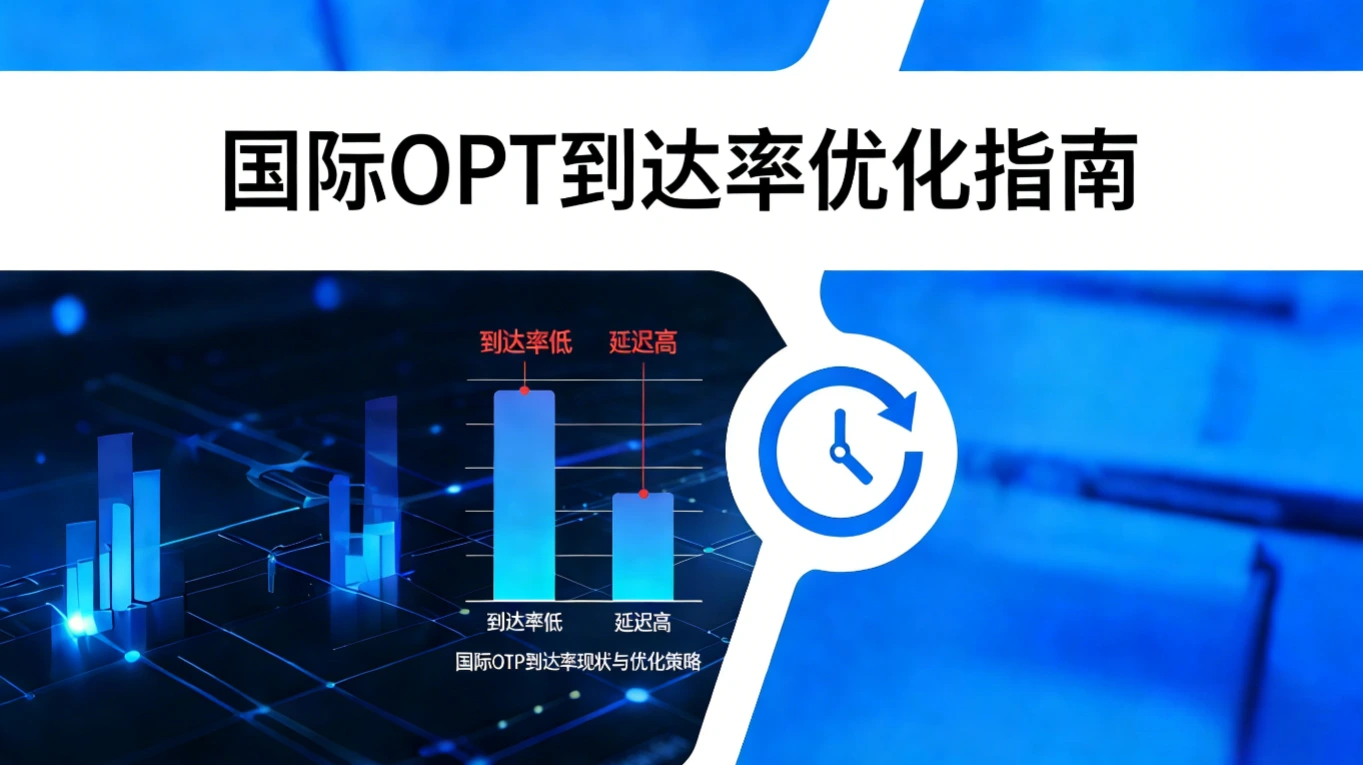
In overseas operations, undelivered international SMS verification codes are often the #1 killer behind plummeting registration conversion rates (CR). Many enterprises see "Sent Successfully" in their backend logs, but in reality, end-users receive nothing—or experience delays up to 2 minutes. In the mobile internet era, a 2-minute delay equals "unavailable" for users.
1. Don’t Be Fooled by "Low Cost": Are You Using Direct Route or Grey Route?
The international SMS market is deep and murky. When you see quotes far below market-average pricing, be cautious.
-
Direct Route:
Directly connects to local Tier-1 operators (e.g., Vodafone, Telkomsel); single-hop, fast delivery, with real Delivery Receipts (DLR), but at a higher cost.
-
Grey Route:
Involves multi-country, multi-tier forwarding through unknown small carriers—even illegal SIM farms (Sim Farm) for bulk sending.
Pain Point:Grey routes are extremely unstable—frequently blocked by operators, causing massive delivery failures, and lack genuine DLRs.
Recommendation:Ask your provider: Do they guarantee 1-Hop (single-hop) connectivity? And request real DLR (delivery status report) data for specific countries.
2. Localized Challenges: Solving the "Last-Mile" Infrastructure Gap
You may think the message was sent successfully—but the target country’s infrastructure might not cooperate.
-
Localization Challenge:
Take Southeast Asia as an example: Indonesia and the Philippines have numerous islands, with poor signal coverage in remote areas. Or in India, where operators enforce strict DMN (Do Not Disturb) filtering. Relying solely on SMS as a channel simply won’t work in these regions.
-
Practical Tip:
Build a "combo strategy": when SMS channels congest or fail, automatically switch to overseas Voice OTP interfaces. Voice OTP uses the telephony network—higher priority than SMS and immune to SMS spam filters.
Industry Data:
In Southeast Asia and Latin America, introducing Voice OTP as a backup channel typically boosts overall OTP success rates from 85% to over 96%.
(Source: Major CPaaS Vendor Annual Report)
3. Stop Betting on One Channel: Configure Intelligent Routing Strategies
Many enterprises follow a simplistic logic: pick one supplier and stick with it. Once that supplier’s route fails (e.g., due to undersea cable faults or carrier maintenance), your business grinds to a halt.
-
Core Strategy:
Improving OTP delivery rate hinges on the principle: "Don’t put all eggs in one basket." Mature global enterprises deploy intelligent SMS routing strategies.
-
Auto-Cascading:
The system monitors Route A’s delivery rate in real time. If success rate drops below 90% within 5 minutes, it automatically switches to Route B—or even Route C—in seconds.
-
Location-Based Routing:
The system identifies if a number belongs to Vietnam’s Viettel and automatically routes via Viettel’s dedicated direct channel; if it’s Thailand’s AIS, it uses AIS’s direct path.
Real Case: A Financial Fintech App’s "Comeback"
Background: A cash-loan Fintech app targeting the Philippine market initially cut costs by partnering with a low-cost SMS vendor. Problem: User registration pass rate was only 68%, with widespread complaints about missing codes and average OTP delays exceeding 45 seconds. Adjustments:
-
Route Cleansing::
Cut off low-cost grey routes; integrate Tier-1 operator direct routes.
-
Strategy Upgrade::
Deploy "SMS + Voice" dual insurance: if the user hasn’t entered the code within 30 seconds, the system automatically triggers a voice call to read out the OTP.
-
Dynamic Monitoring::
Deploy multi-channel intelligent switching algorithms.
Result: Within the first week post-adjustment, OTP delivery rate surged to 98.5%, average latency dropped to under 5 seconds, and registration conversion rate increased by 25%. Based on acquisition cost, the recovered losses were over 10× the SMS investment.
Conclusion
Don’t let verification codes become the "roadblock" to your overseas expansion. High delivery rates aren’t luck—they’re built with premium routes and refined routing strategies.
If your business faces the "sent-but-not-received" dilemma, immediately audit your provider’s routing quality and test backup channel solutions. After all, users’ patience lasts only a few seconds.